Recognition highlights pioneering use of georeferenced 3D photogrammetry and digital seabed modelling to transform environmental monitoring in aquaculture
Tritonia Scientific is delighted to announce that it has been named the winner of the Innovation Award at the 2026 Aquaculture Awards, in recognition of its groundbreaking development and application of georeferenced 3D photogrammetry and digital seabed modelling for aquaculture environmental monitoring and management.
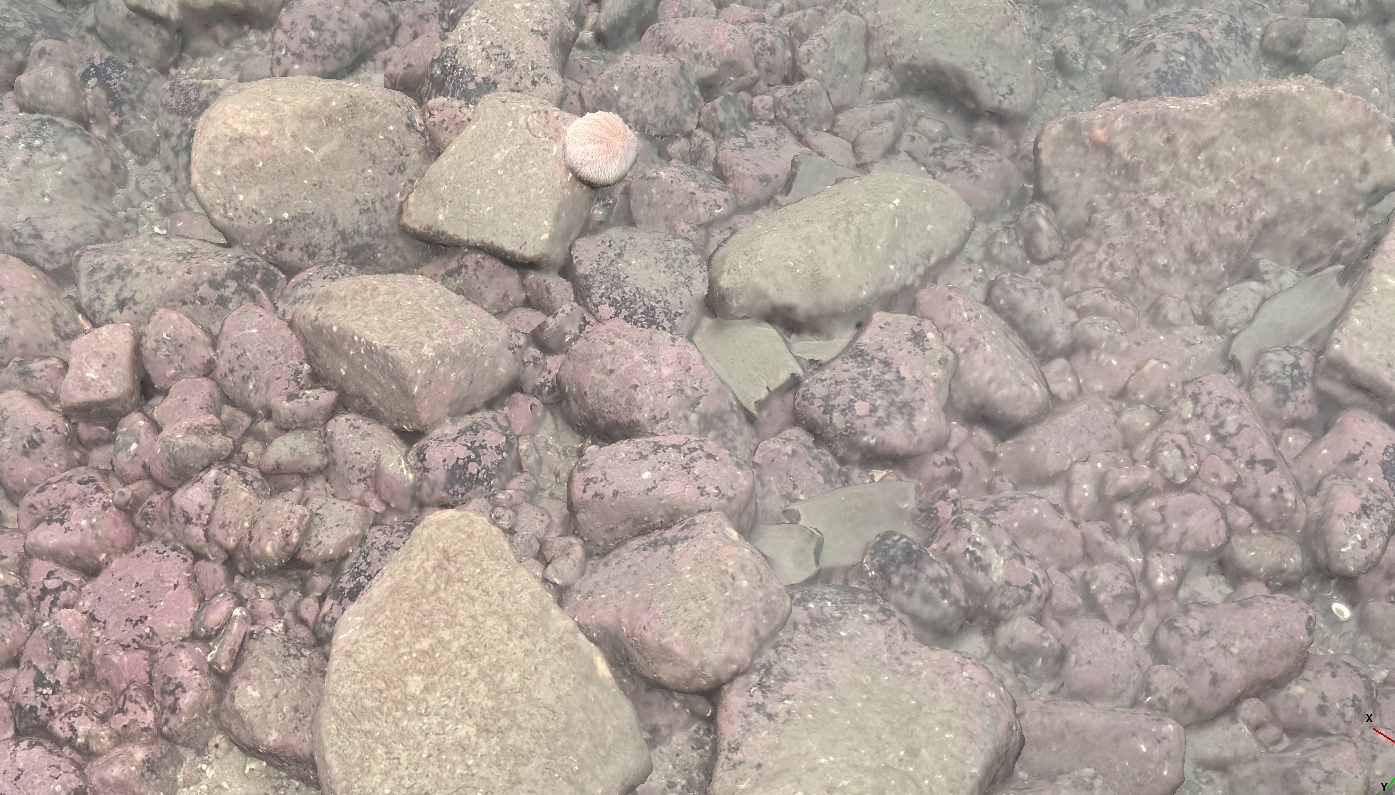
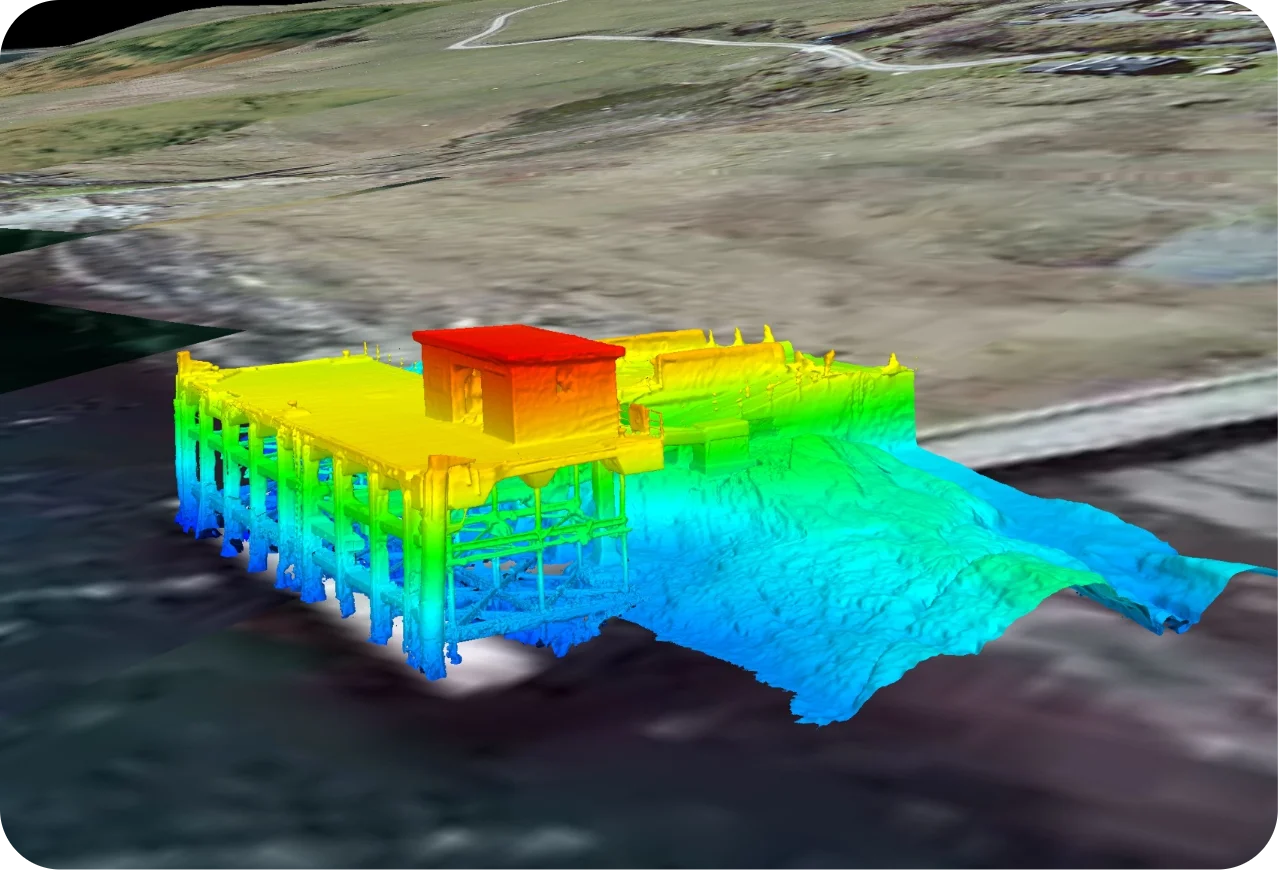
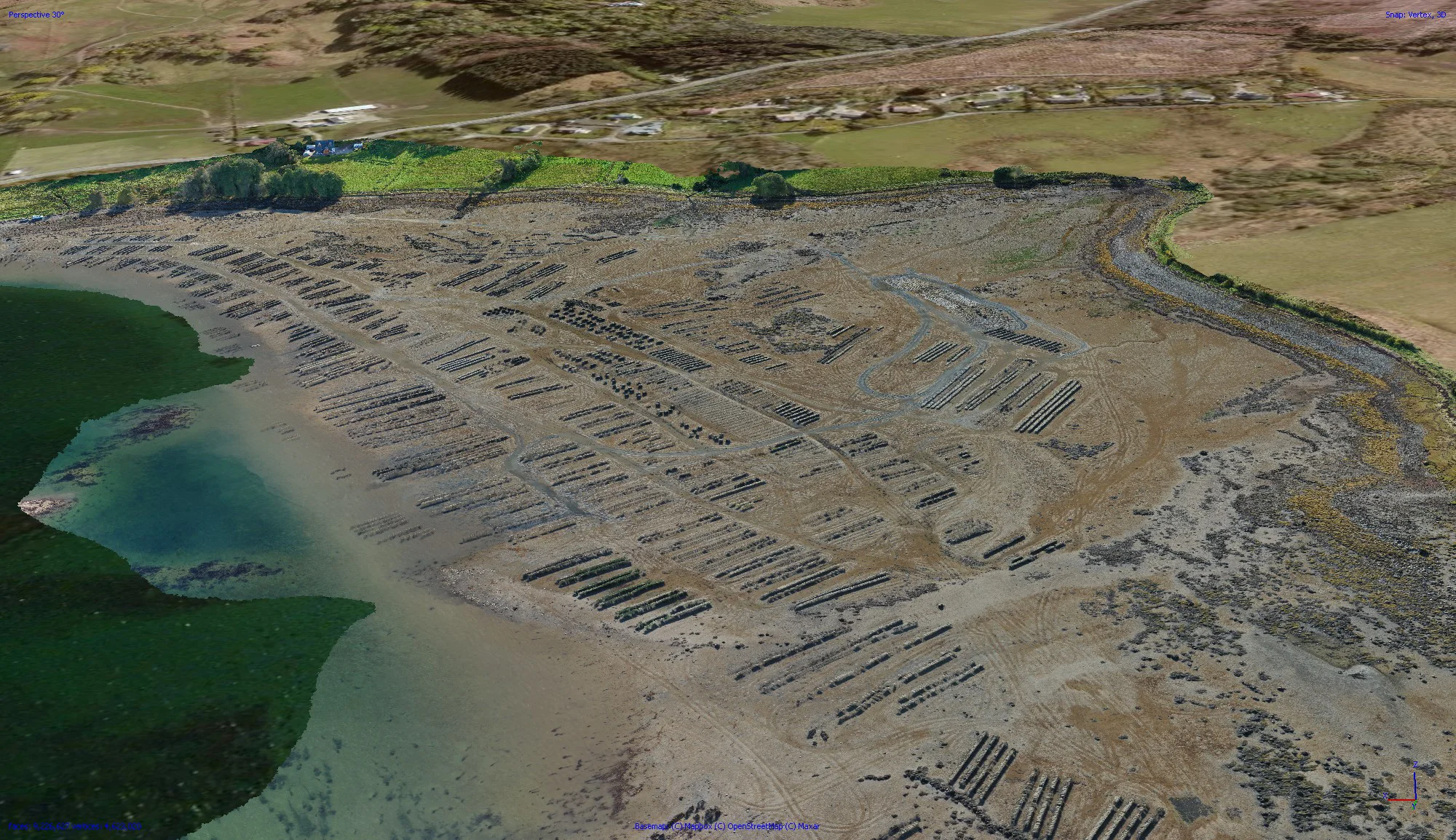
The award recognises Tritonia’s pioneering work in transforming how aquaculture sites are surveyed, monitored, and managed through the creation of highly detailed, spatially accurate underwater “digital twins” of the seabed. By combining advanced remotely operated vehicle (ROV) technology, photogrammetry, precise navigation systems, and cloud-based data delivery, the company has developed a powerful new approach that provides aquaculture operators and regulators with unprecedented insight into the marine environment.
Traditionally, assessment of seabed conditions around finfish farms has been constrained by poor visibility, difficult sampling conditions, and the limitations of conventional grab sampling and video-based survey methods. Tritonia’s approach overcomes these challenges by capturing precisely geolocated underwater imagery and converting it into high-resolution 3D digital models that can be explored, measured, and compared over time.

Delivered through Tritonia’s Hydrophis data platform, these digital twins allow users to virtually remove the water column and interact directly with the seabed in extraordinary detail. The platform provides permanent, auditable environmental records and enables robust environmental impact assessment, regulatory compliance, improved site selection, and repeatable long-term monitoring.
“This award is fantastic recognition of the innovation and dedication of our team,” said Dr Martin Sayer, Managing Director at Tritonia Scientific. “For many years, environmental monitoring of complex seabed habitats has been limited by the available survey tools. Our goal has been to provide operators and regulators with clearer, more accurate, and more accessible environmental intelligence. Winning this award demonstrates the industry’s recognition of the value that high-resolution digital seabed modelling can bring to sustainable aquaculture.”
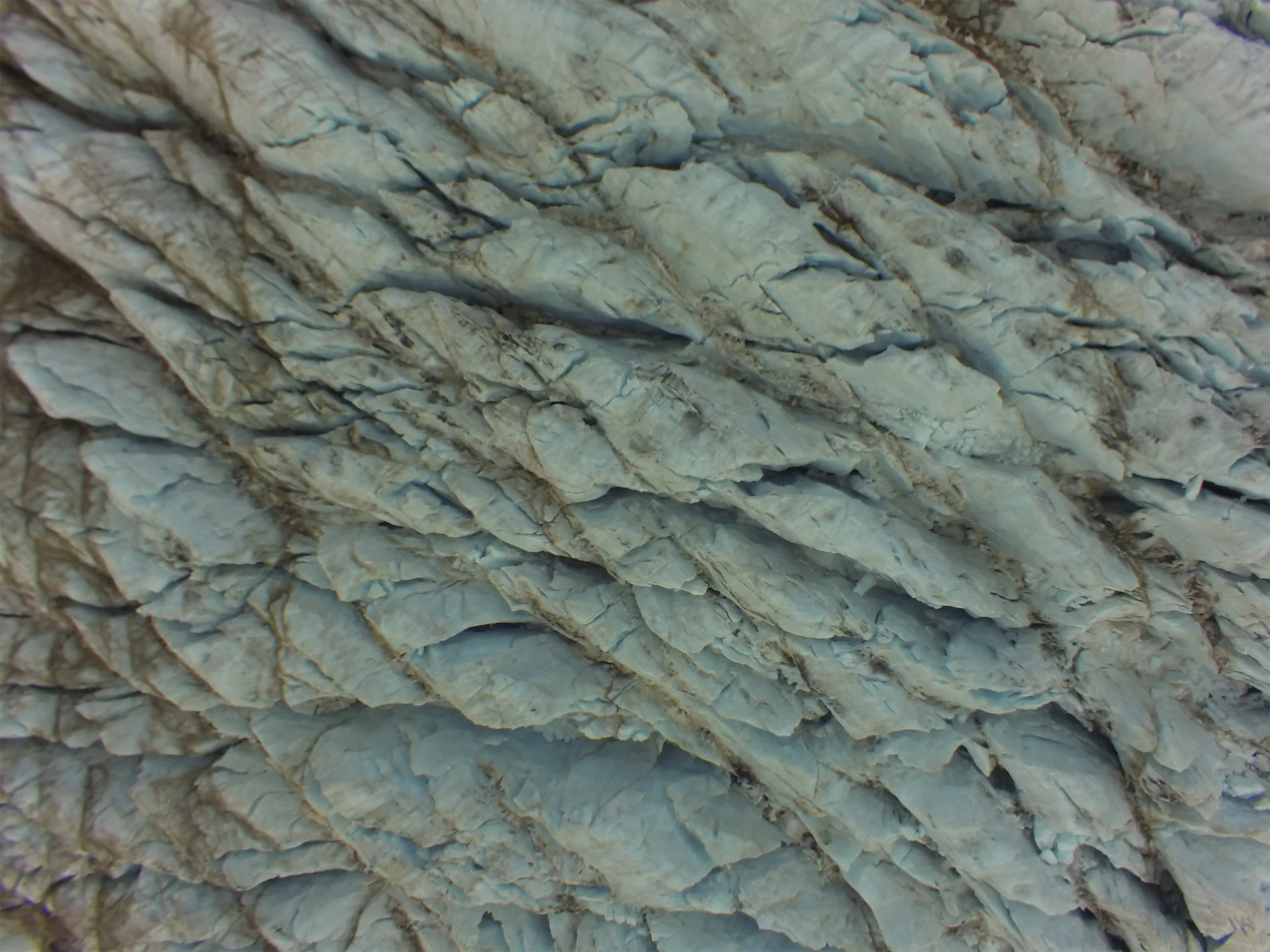
Originally developed to address the longstanding challenge of monitoring hard-bottom habitats, the technology has evolved into a substrate-independent environmental monitoring system capable of supporting all seabed types. Automated detection and quantification of habitat types, priority marine features, and environmental change can now be undertaken within a consistent and data-rich digital framework.
The impact of the technology is already being felt across Scotland’s aquaculture sector, where operators are using the system to strengthen environmental monitoring programmes, enhance regulatory transparency, and support evidence-based decision making. International adoption is also accelerating, with uptake in Norway supported through funding from the Norwegian Seafood Research Fund, demonstrating growing global demand for advanced environmental intelligence solutions.
Looking ahead, Tritonia Scientific plans to further develop Hydrophis into a fully integrated environmental intelligence platform capable of handling rapidly increasing volumes of precisely georeferenced seabed data generated by autonomous marine robotics and future swarm technologies.
Future enhancements will include AI-driven habitat classification, automated change detection, and integration of orthomosaics, digital elevation models, multibeam echo sounder data, environmental measurements, and ecological datasets within a unified spatial framework. The company is also developing a Norway-specific version of Hydrophis to support evolving regulatory requirements and strengthen international collaboration.
As aquaculture continues to grow globally, Tritonia Scientific remains committed to delivering innovative technologies that support transparent, data-driven, and environmentally responsible marine resource management.