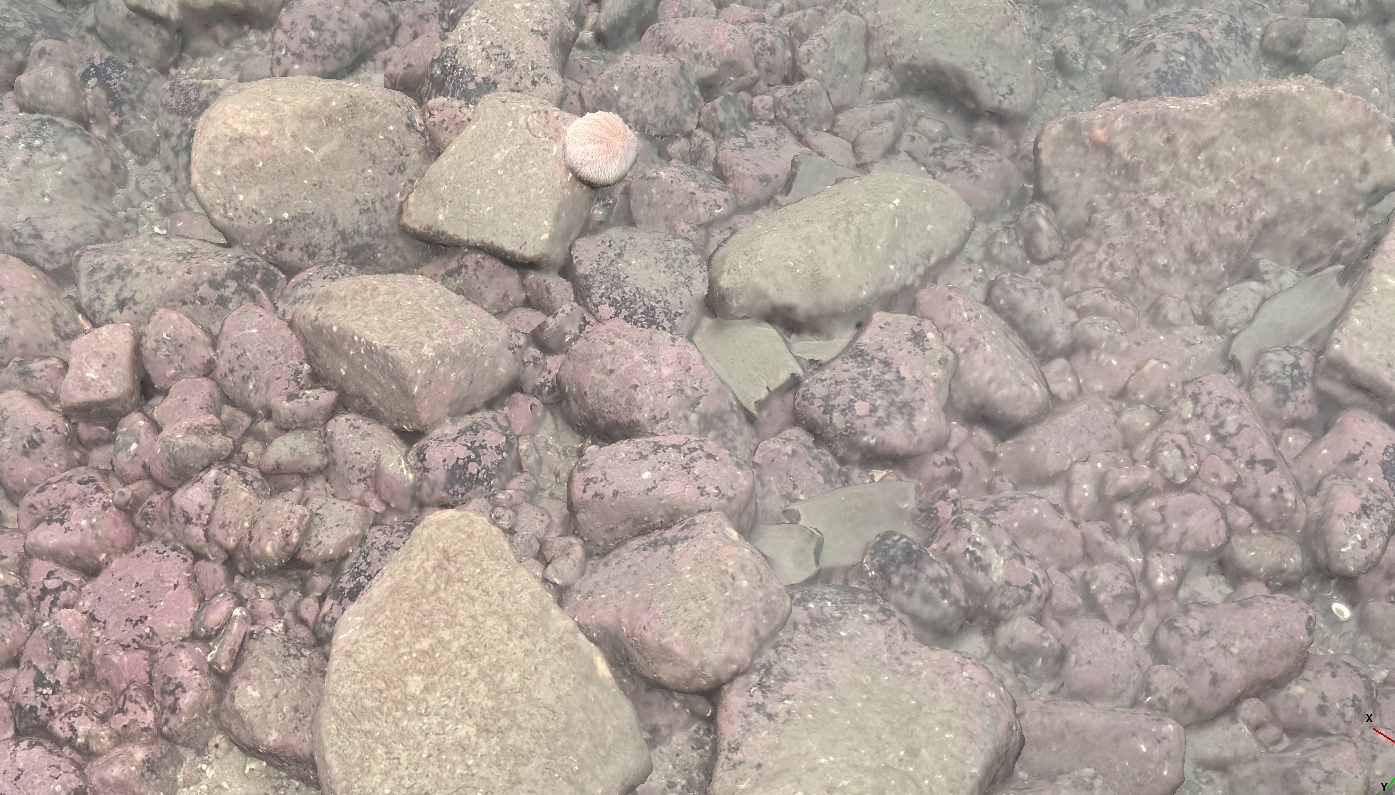
Tritonia Scientific identifies potential flapper skate egg nursery in Scapa Flow
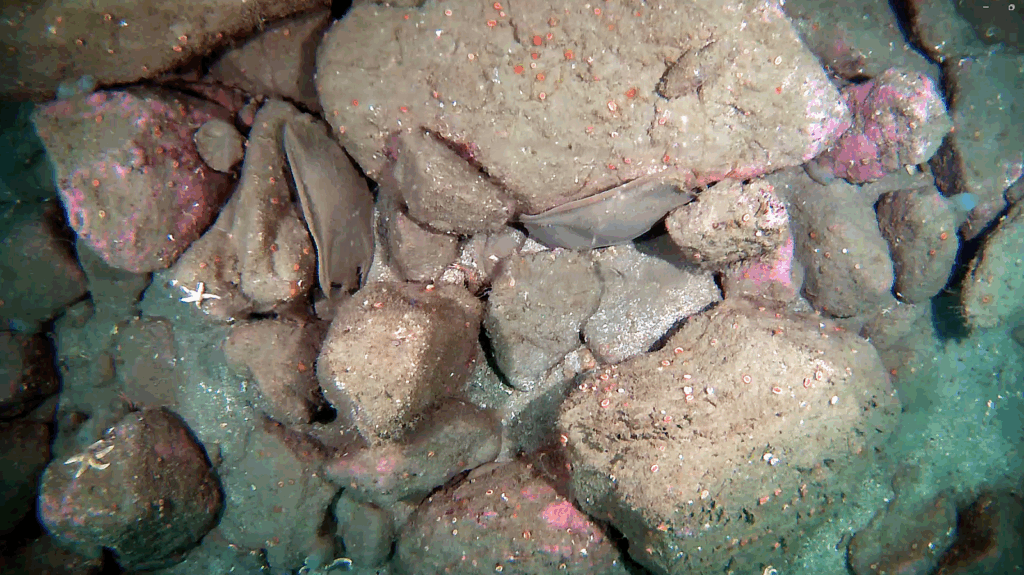
Tritonia Scientific Ltd has identified a potential flapper skate (Dipturus intermedius) egg nursery in Scapa Flow
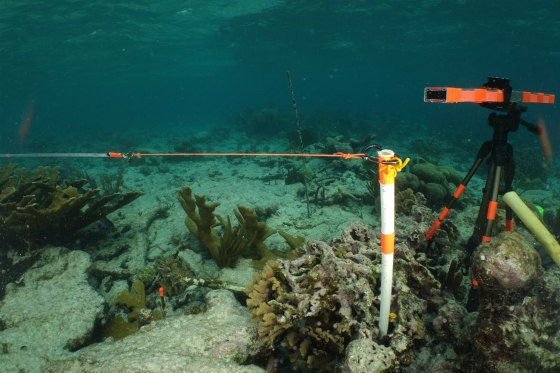
Mapping Reef Recovery in the Chagos Archipelago

At Tritonia, we’re always pleased to share the work our team is involved in. Our very own Andy Mogg is a co-author on a new paper published in Coral Reefs, which uses photogrammetry to track how coral reefs in the Chagos Archipelago recovered in the years following the 2015-16 global bleaching event. Between 2017 and […]
Fate-tracking early coral recruits following bleaching in a remote reef ecosystem
Impacts of “Reef Star” coral restoration on multiple metrics of habitat complexity
Ecosystem engineers enhance the multifunctionality of an urban novel ecosystem: Population persistence and ecosystem resilience since the 1980s
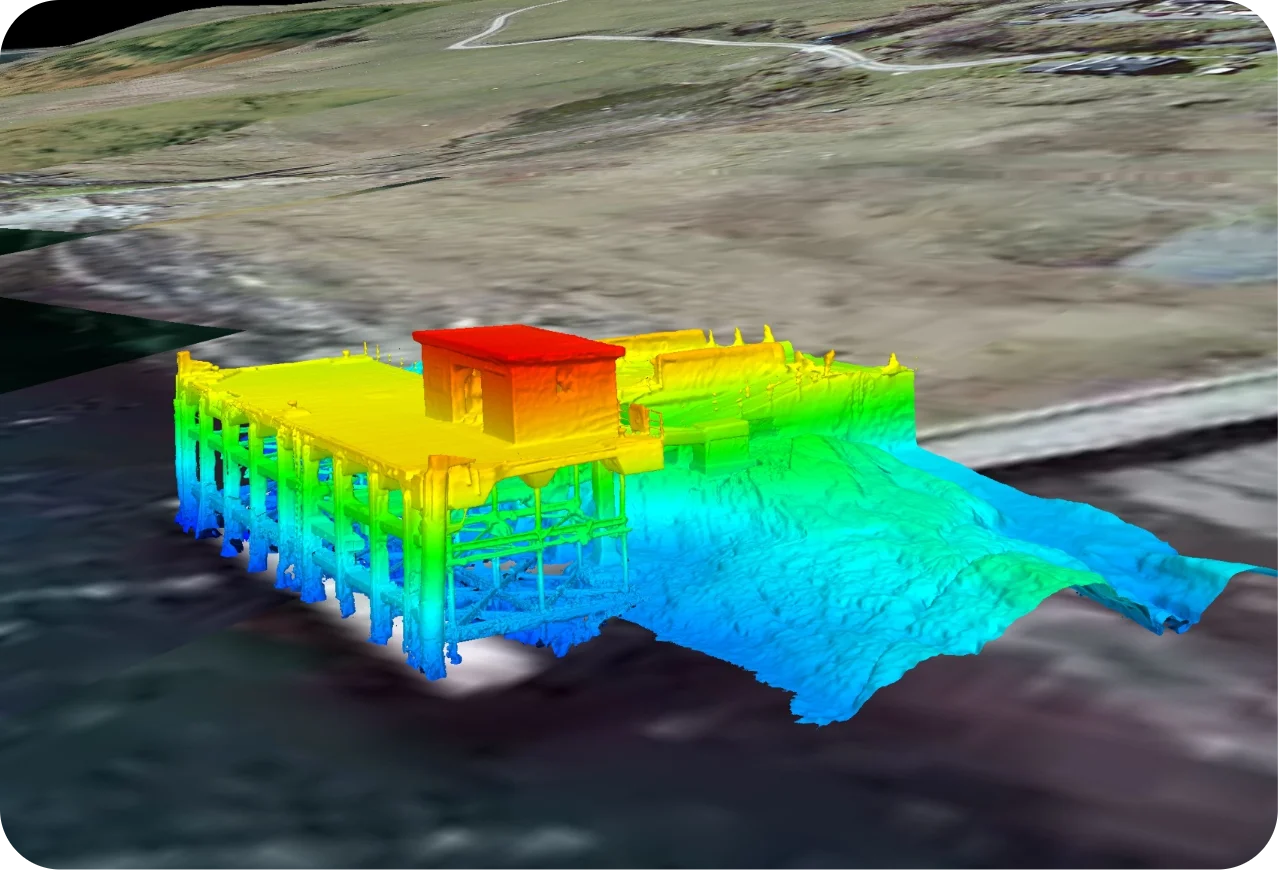
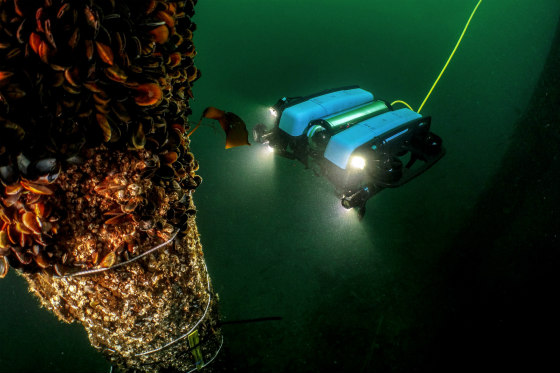
Underwater photogrammetry techniques have been employed to improve marine growth estimates on artificial habitats with direct relevance to the processes that will be required for future oil and gas platform decommissioning.
Deep water diving in the eastern Mediterranean has resulted in the discovery of a new species of filamentous brown algae.
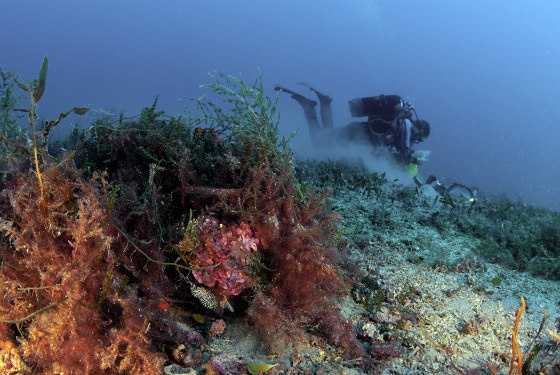
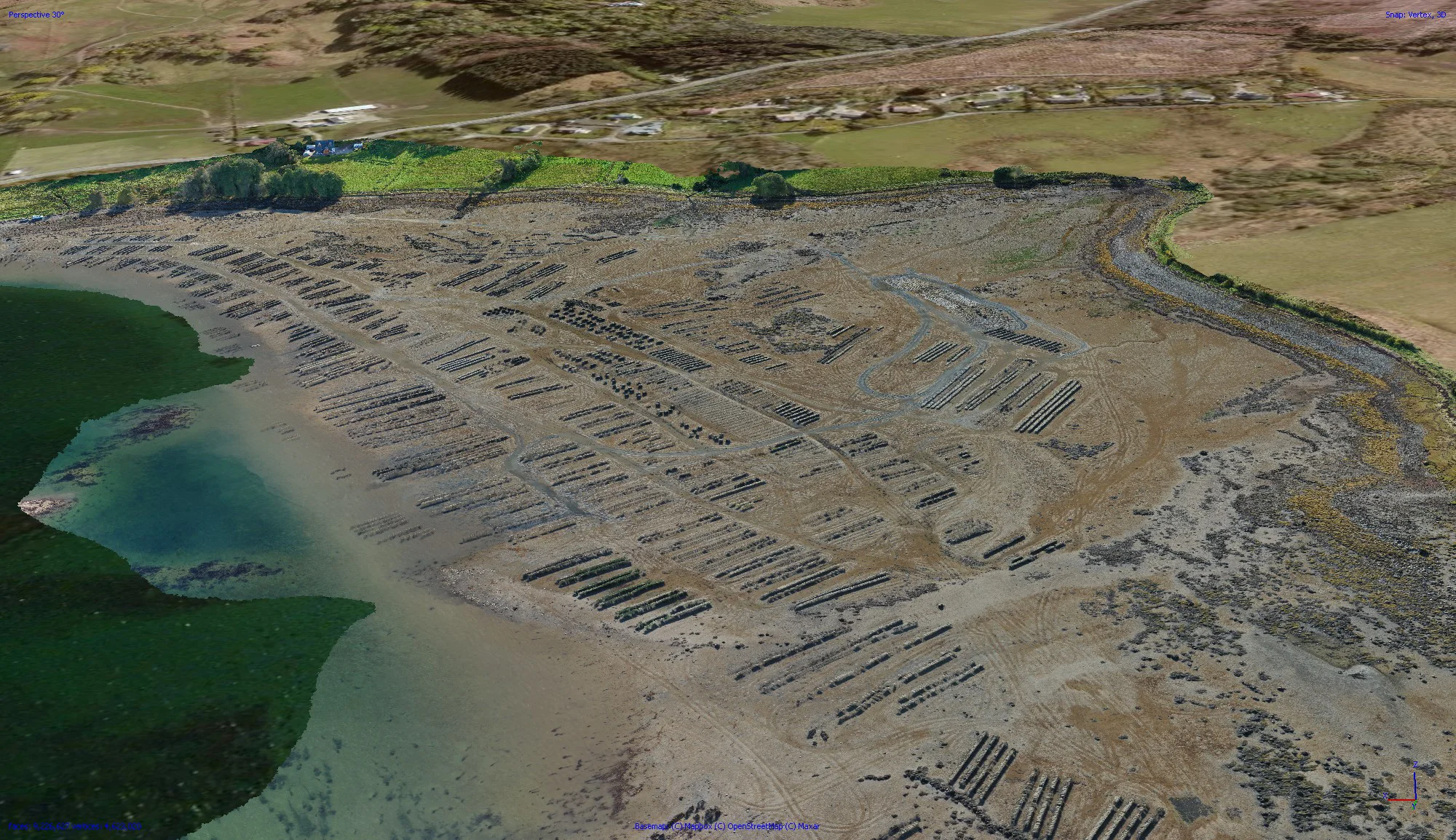
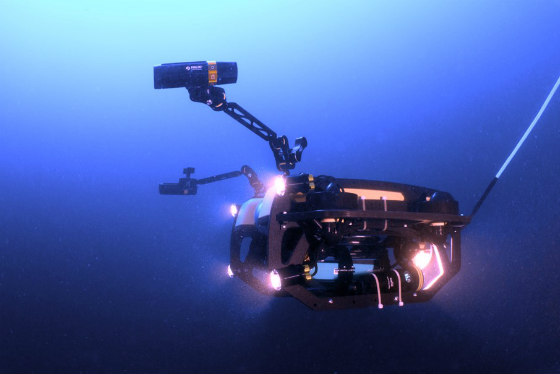
Diving is providing the baseline data required for testing the effectiveness of Autonomous Underwater Vehicles (AUVs) and Remotely Operated Vehicles (ROVs) as tools for monitoring and mapping the seabed in Marine Protected Areas.
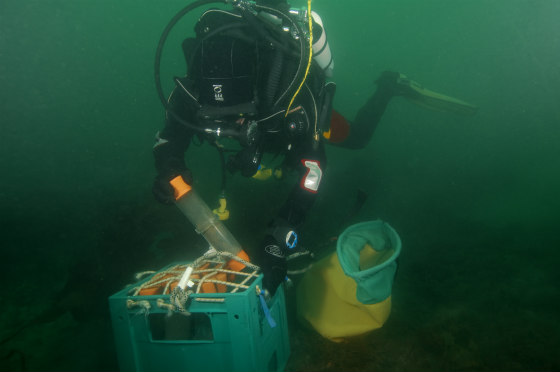
Samples collected using diving supported studies of the genetic diversity, phylogeography and morphology of Elphidiidae (Foraminifera) in the Northeast Atlantic.
Comparison of established and photogrammetric techniques evaluated their respective accuracy and efficiency for estimating calcification rates and carbonate budgeting of coral reef systems.